



Shipping commercial products internationally requires careful planning, appropriate packaging, correct freight classification, and dependable logistics execution. Businesses that implement structured international shipping workflows reduce transit delays, avoid regulatory fines, and ensure cargo arrives in pristine condition.
Key Takeaway: Proper cargo palletization, ISPM-15 compliant wooden packaging, and precise HS code classification eliminate over 85% of common customs hold-ups in international supply chains.
1. Comparing International Transportation Modes
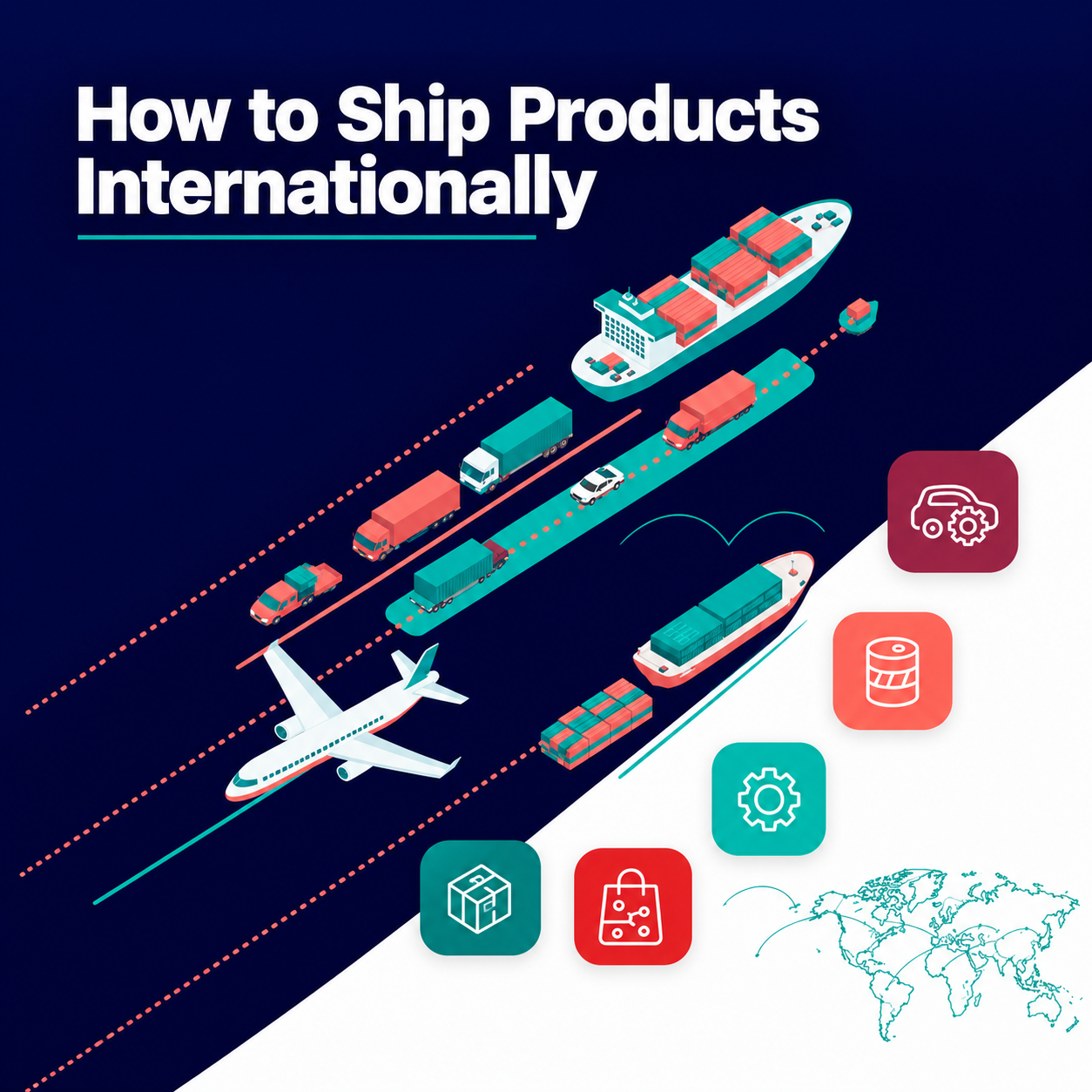
Selecting the right mode of transportation depends on cargo volume, gross weight, urgency, and budget:
| Transport Mode | Ideal Cargo Profile | Transit Duration | Cost Efficiency |
|---|---|---|---|
| Ocean Freight (FCL) | Bulk, heavy machinery, full containers | 15 - 35 Days | Highest cost efficiency |
| Ocean Freight (LCL) | Palletized shipments under 15 CBM | 18 - 40 Days | Low cost for smaller volumes |
| Air Freight | Perishable, high-value, critical goods | 2 - 5 Days | High speed / Premium rate |
| Ground Freight | Regional cross-border trucking | 3 - 10 Days | Flexible door-to-door |
2. Step-by-Step International Product Shipping Checklist
- Cargo Classification & HS Codes: Determine the exact 6-to-10 digit Harmonized System code to verify tariff rates, import restrictions, and licensing mandates.
- Export Packaging & Pallet Stamping: Use heat-treated ISPM-15 certified wooden pallets and moisture-resistant wrapping to protect goods during maritime transit.
- Commercial Documentation: Issue an accurate Commercial Invoice and Packing List specifying net/gross weights and country of origin.
- Freight Booking & Tracking: Coordinate carrier dispatch, container drayage, and monitor cargo tracking milestones.
- Customs Brokerage & Clearance: Ensure destination customs entry is filed ahead of vessel arrival to prevent container demurrage.
Pro Tip: Always file for marine cargo insurance (All-Risks Institute Cargo Clauses A). Carrier liability is legally capped and does not cover general average or severe weather losses.
Get a Shipping Assessment: Contact Marinex Logistics today to streamline your commercial product shipping and receive a competitive freight quote.